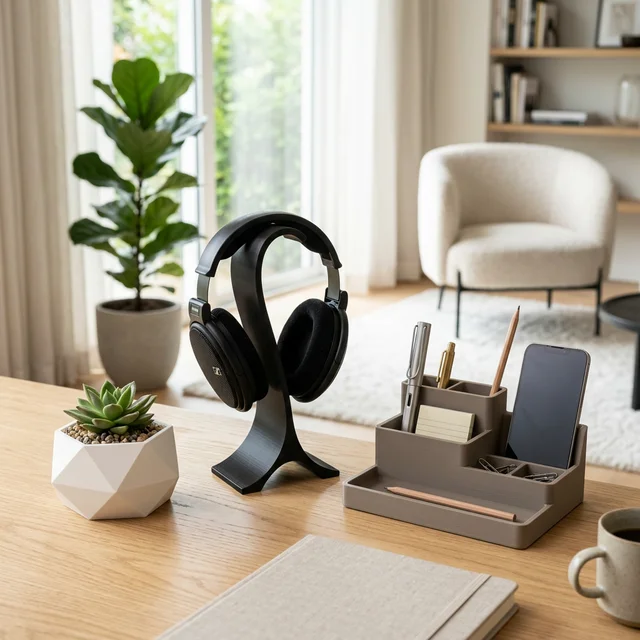
A 3D print straight off the build plate is functional, but it's not always pretty. Layer lines, support marks, and rough surfaces are part of the FDM process. The good news? With a bit of post-processing, you can turn any print into something that looks injection-moulded.
Step 1: Remove Supports
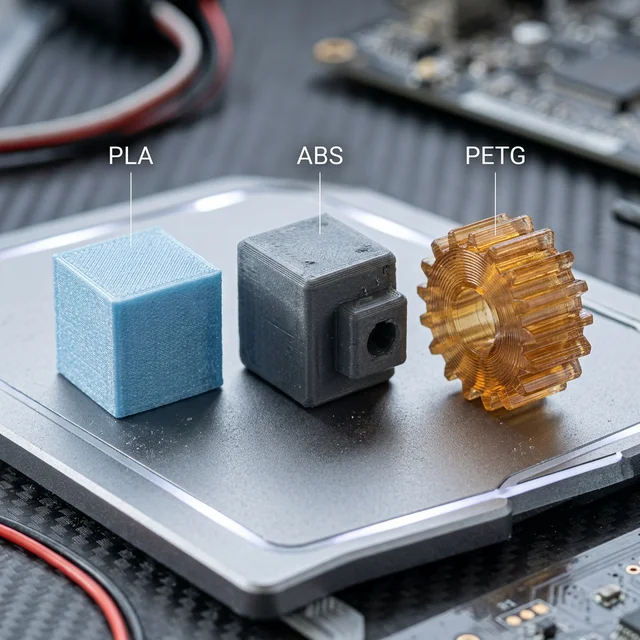
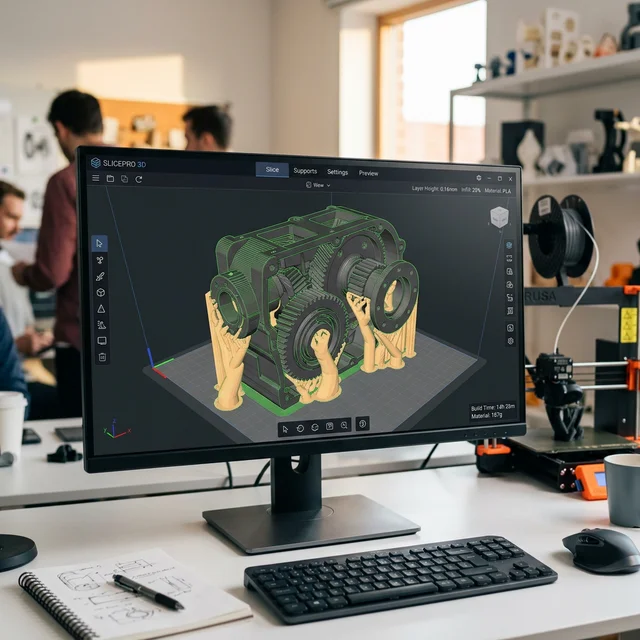
Start by carefully removing any support material. Use flush cutters for PLA and ABS, or needle-nose pliers for stubborn sections. For PETG, which tends to bond more tightly, a craft knife can help peel supports away cleanly.
Tip: If you're ordering through Instant 3D Prints, let us know if you'd like supports removed before shipping - we're happy to handle it.
Step 2: Sanding
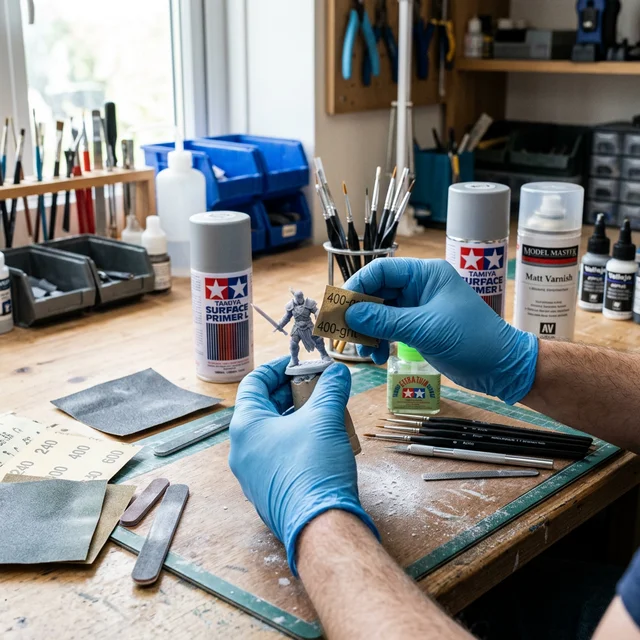
Sanding is the most effective way to smooth layer lines. Work through grits progressively:
- 120–180 grit - Removes major layer lines and support marks
- 320–400 grit - Smooths the surface for painting
- 600–800 grit - Creates a near-polish finish (wet sand for best results)
For PLA, sand dry or with minimal water. For ABS, you can also use acetone vapour smoothing as an alternative to sanding (see below).
Step 3: Fill and Prime
Even after sanding, some layer lines may remain visible. Apply a filler primer spray (like Rust-Oleum Filler Primer) in thin, even coats. This fills micro-gaps and creates a uniform base for painting. Sand lightly between coats with 400-grit sandpaper.
Step 4: Painting
Once primed and smooth, you can paint with spray paint, acrylic paint, or even automotive-grade finishes:
- Spray paint - Best for large, uniform surfaces. Apply 2–3 thin coats
- Acrylic paint - Best for detailed or multi-colour work. Use a brush or airbrush
- Automotive primer + paint - For a truly professional, durable finish
Step 5: Clear Coat
A clear coat protects your paint job and adds a final polish. Matte, satin, or gloss - choose the finish that suits your piece. Two thin coats are usually enough.
ABS-Only: Acetone Vapour Smoothing
ABS dissolves in acetone, which means you can use acetone vapour to chemically smooth the surface. Place your print in a sealed container with a small amount of acetone and let the vapour do its work for 15–30 minutes. The result is a glossy, almost injection-moulded finish.
Safety warning: Always vapour-smooth in a well-ventilated area, away from open flames. Acetone is highly flammable. This technique only works with ABS - do not attempt with PLA or PETG.